Seasoned vs Kiln-Dried Firewood: What's the Difference?
Both are dried before sale — the difference is how. Here's what that means for your fire.
October 15, 2026
Both seasoned and kiln-dried firewood have had moisture removed before they reach you. The difference lies in how the wood was dried.
Seasoned firewood
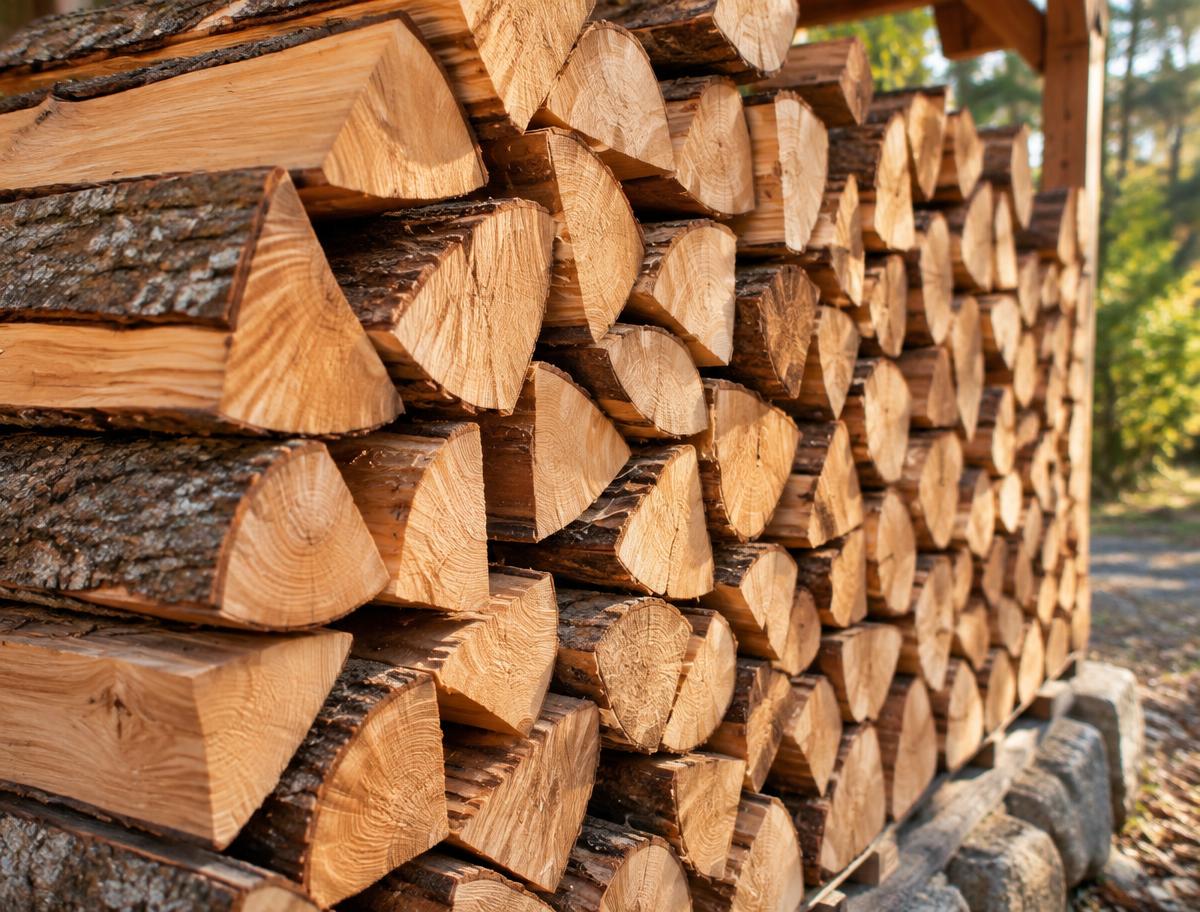
Seasoned wood is split and stacked so air and sun can dry it gradually. Depending on species, climate and how it was stacked, this commonly takes many months. Well-seasoned wood tends to be lighter, show cracks on the ends, and make a hollow sound when two pieces are knocked together.
Kiln-dried firewood
Kiln-dried wood is dried in a heated chamber. The process is faster and more controlled, which makes moisture levels more consistent from piece to piece.
Which should you choose?
- Regular home heating: seasoned hardwood is a popular, economical choice.
- Quick lighting and consistency: kiln-dried wood is convenient, especially for fireplaces and occasional fires.
- Travel and campgrounds: local rules sometimes require heat-treated wood — always check before moving firewood.
Why moisture matters
Wet wood wastes energy boiling off water, produces more smoke and can contribute to creosote build-up in chimneys. Whatever you buy, store it off the ground and covered on top so it stays dry.
When a product listing shows a moisture figure, it has been verified for that product. If you need specific details, contact our team.
Related products
 Firewood
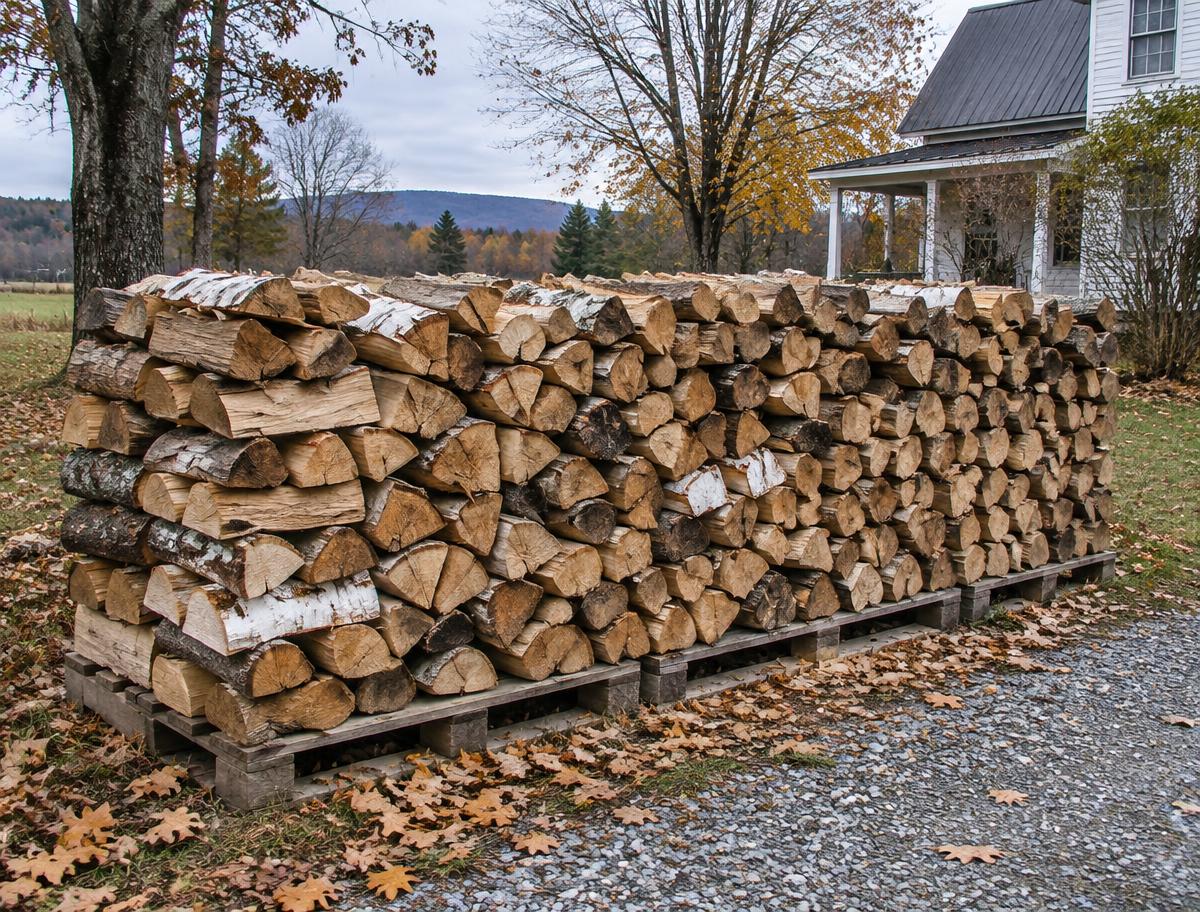
Seasoned Hardwood Firewood — Face Cord
Air-seasoned split hardwood for fireplaces and wood stoves.
Sold per face cord · Loose, delivered for stacking
 Firewood
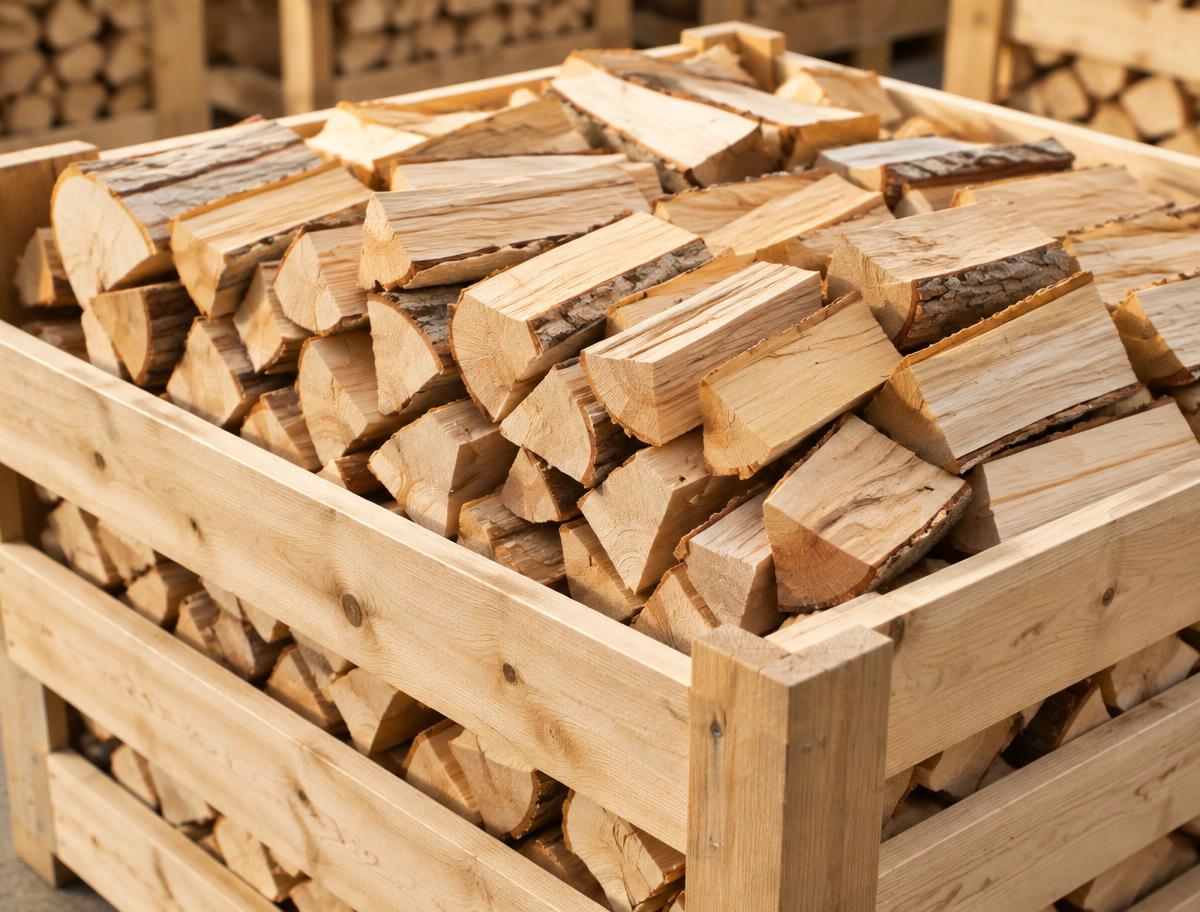
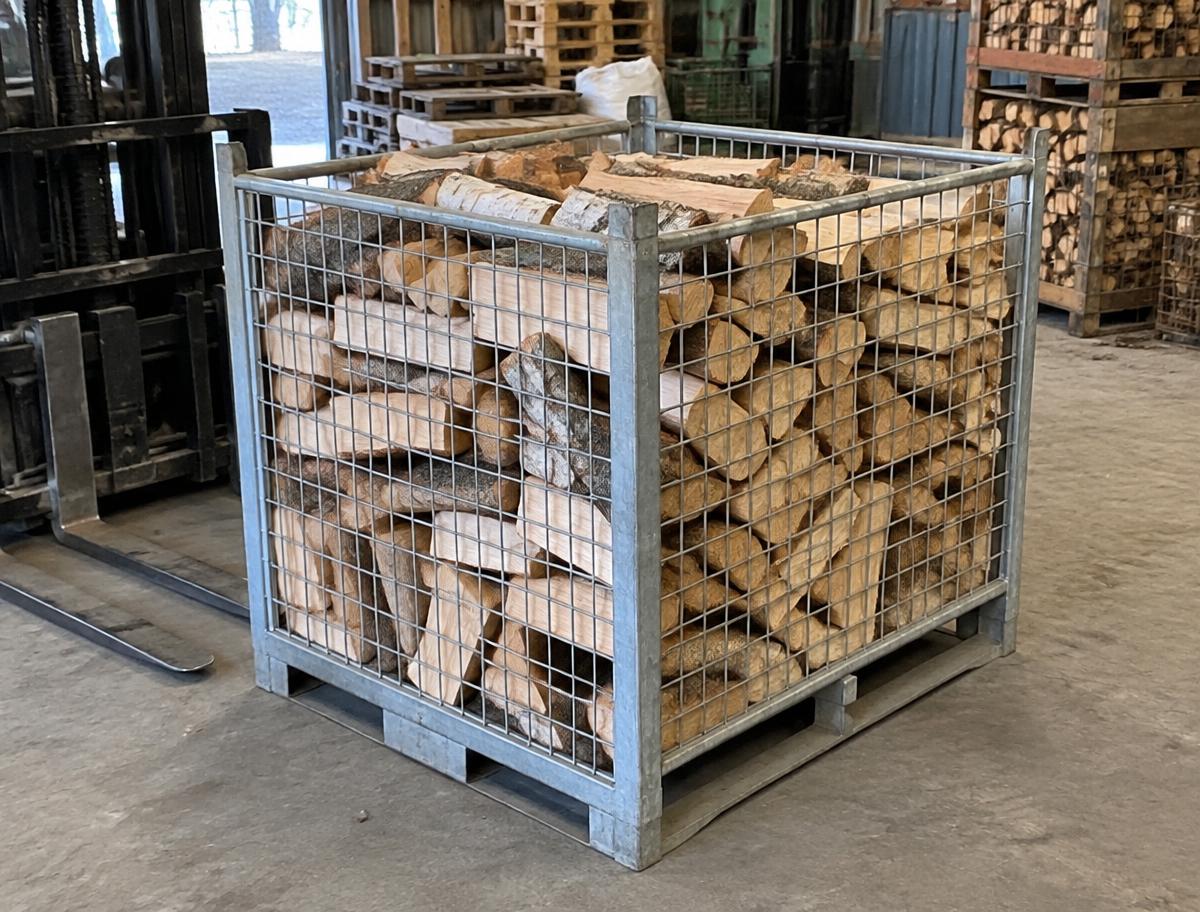
Kiln-Dried Firewood — Bulk Crate
Kiln-dried split firewood supplied in a crate.
Sold per crate · Wooden crate, forklift-ready
 Firewood
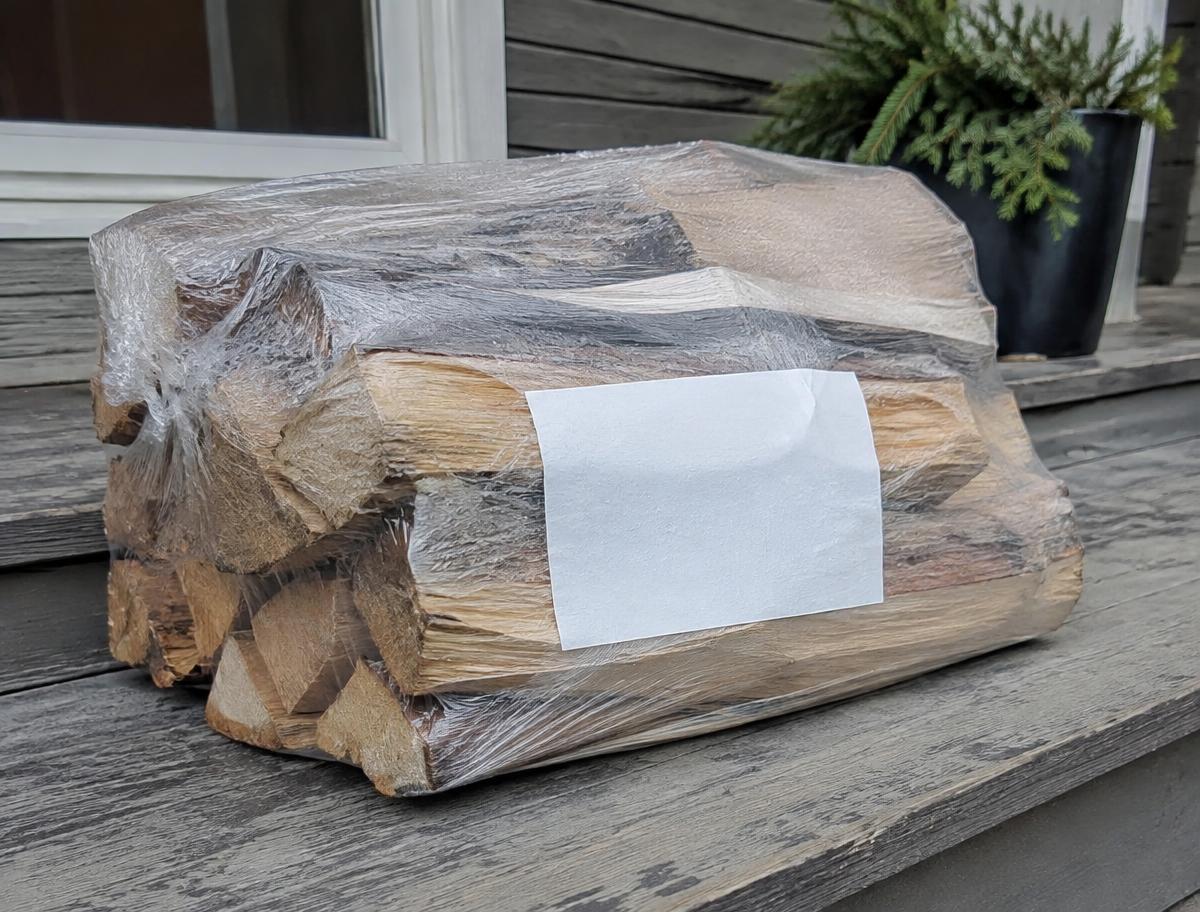
 Bundle
Convenient tied bundle for occasional fires.
Sold per bundle · Tied or shrink-wrapped bundle